Falling Out of Love with Shonen Battle Manga
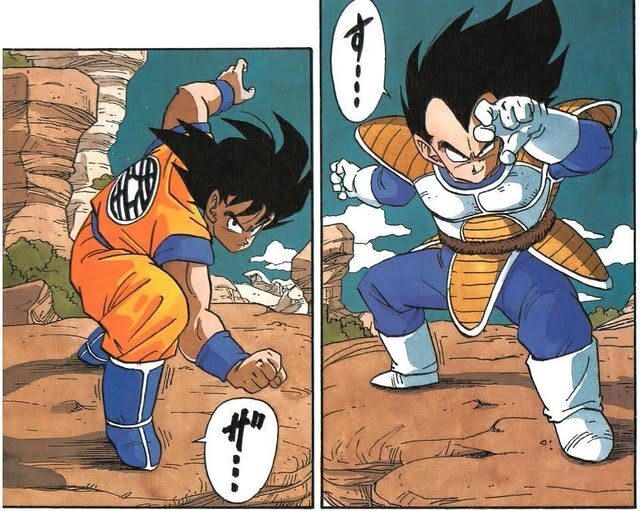
For those who may not know, there is a subgenre of manga that is often referred to as “Shonen Battler.” Typical examples of this genre are: (my beloved) Dragonball Z, Naruto, Bleach, One Piece, My Hero Academia, Demon Slayer, etc. There is usually a hero who is tasked with defeating a Big Bad Evil Guy. The hero starts out at a relatively low level of power and grows as he faces incrementally more powerful opponents, eventually leading up to the big boss himself. Along the way there are rivals, nemeses, supporting characters, romantic interests, and mentors. Special techniques will be learned. Flashy transformations will be unlocked. Crippling injuries will be overcome with willpower alone. It is a cliche at this point, but like all cliches, it’s done to death because it works.
Nothing quite gets the adrenaline pumping like a villain gloating over a defeated hero, so arrogant and cocky, but wait…the hero is experiencing a surge of emotion…he’s moving his broken body with the sheer force of his will…his righteous anger will not allow this injustice to stand…he transforms…the villain takes a step back, suddenly unsure of his superiority.
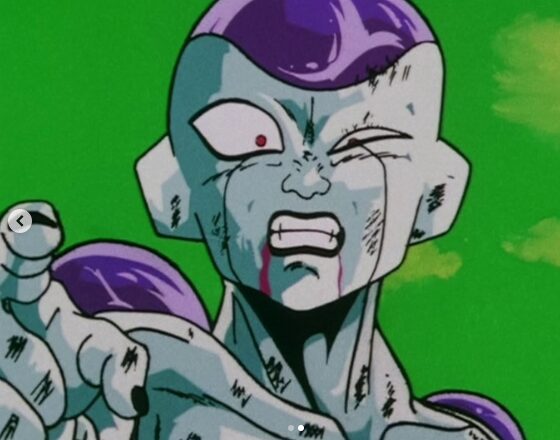
If there are strong visuals to back this moment up then it won’t matter how much filler we had to churn through to get there. No one is going to remember the retcons, the failed side characters, the pages of forced exposition. This feeling is what it’s all about. It’s energizing. It’s inspiring. The next time you’re struggling at the gym you will remember the Hi no Kami Kagura, or the super saiyan transformation, or gear 5. You’ll move that weight. You’ll finish that mile.
These stories of hard work, perseverance, and indomitable spirit resonate with all of us on some level, but they are particularly popular with children making the difficult transition to adulthood. The weight of new responsibility and expectations can be crushing. The training wheels of childhood have been removed. It’s sink or swim time. Many people in this situation feel beaten down, if not utterly defeated. Unfortunately, the only way out is through. The examples of heroes who have had to dig deep and find a strength they didn’t know was there can mean a great deal to anyone going through these times.
I found myself in just those sorts of situations as a teenager. Dragonball Z inspired me to get into martial arts. I pushed myself as hard as I could. I’d listen to loud music and think of those break-through moments whenever I was struggling with the mounting pressures of the world around me. It got me through tough situation after tough situation. I’d tell myself to “keep going, it’s not like you’re gonna collapse from a little more, and even if you do, we’ll just die trying.”
Then I did literally collapse one day at work. It wasn’t an especially hard day. It wasn’t a physical job. I had gotten plenty of sleep. I’d eaten and hydrated. I just felt off, maybe a little tired. Then I felt more off. Then I was having a hard time breathing. Then my fingertips started going numb. The numbness reached all the way to my teeth. Everything was excruciatingly bright. I called for a ride home from work. I never went back.
I went to the doctor. Numerous tests were done. I was fine. It was a panic attack. The first of many. That was 16 years ago. I’m doing much better, but I still struggle with anxiety to this day. Looking back, I was struggling with it for a long time before that panic attack. I won’t go into details, but I was in deep denial about how much certain things in my family were affecting me. These problems I thought I’d been muscling my way through, I’d actually just been ignoring. They came to a head and, at my lowest, I did not transform or discover a special technique. I just collapsed. My brain would allow no more, and no matter how much discomfort I vowed to endure, my endurance was gone.
Sometimes what doesn’t kill you cripples you. There are times when it’s necessary to dig deep and find a well of energy that you didn’t know you had. There are times when you have to muscle through the pain to get to safety. Willpower and an indomitable spirit are admirable qualities for any person to possess, but if they aren’t coupled with the decidedly less-alpha qualities of self-awareness, wisdom and self-care then burnout (or worse) is inevitable. Only a young person can truly believe that all limits are made to be broken.
In the 16 years since that first panic attack, I’ve changed. The thrill that came with those shonen battle hype moments has lost much of its luster for me. Those moments remind me of the mindset I used to have. They remind me how misguided that mindset was. When I see a young male protagonist rise up on broken limbs to continue fighting with total disregard for his future and safety, sustained only by a righteous anger, I find it hard to cheer. I think about what comes after, the injuries that never heal. The real impact of those injuries is seldom dealt with in those manga. Scars, missing limbs, missing eyes, years of lifespan lost, are all just badges of honor to make the hero appear that much cooler and devil-may-care.
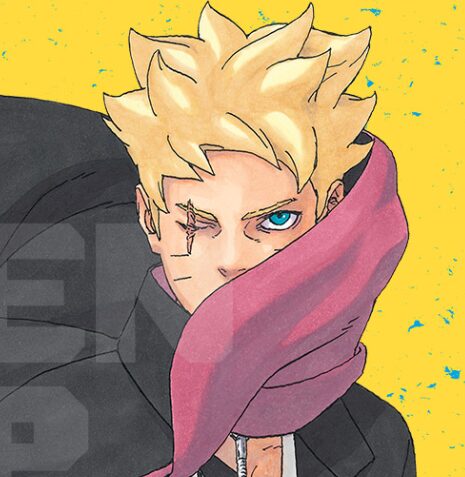
It’s not just that I’ve outgrown shonen battle manga and superhero comics. I no longer believe in them. I found myself enjoying each new title for precisely one arc. The second, third, fourth, and fifth time the hero has to overcome his foes through sheer force of will has diminishing returns. Instead of being a moment of overcoming adversity, it becomes a pattern of unsustainable behavior that cannot end well. Indeed, the endings of virtually every shonen battler are met with mediocre reviews at best.
I’ve encountered some titles that I thought would be exceptions to this, but ultimately, I still found them dissatisfying. For example, I enjoyed the almost father-son relationship between All Might and Midoriya in My Hero Academia. The relationships between the characters were at least as powerful as the fight scenes…at first. The bloated final arc botched several moments and ultimately treated the relationships as secondary to elaborate and overdone fight scenes. The art was impeccable, but the heart wasn’t in it.
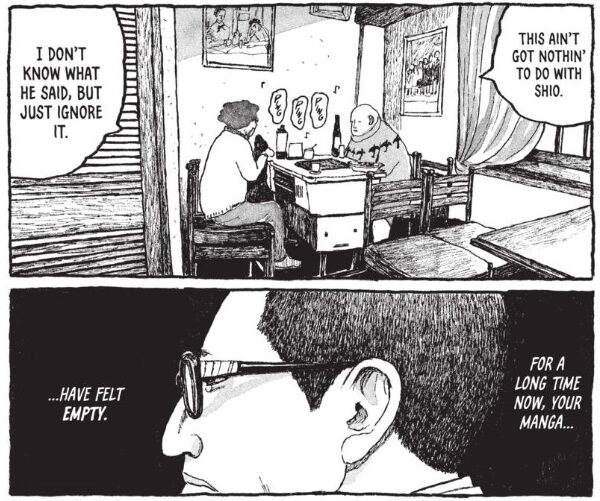
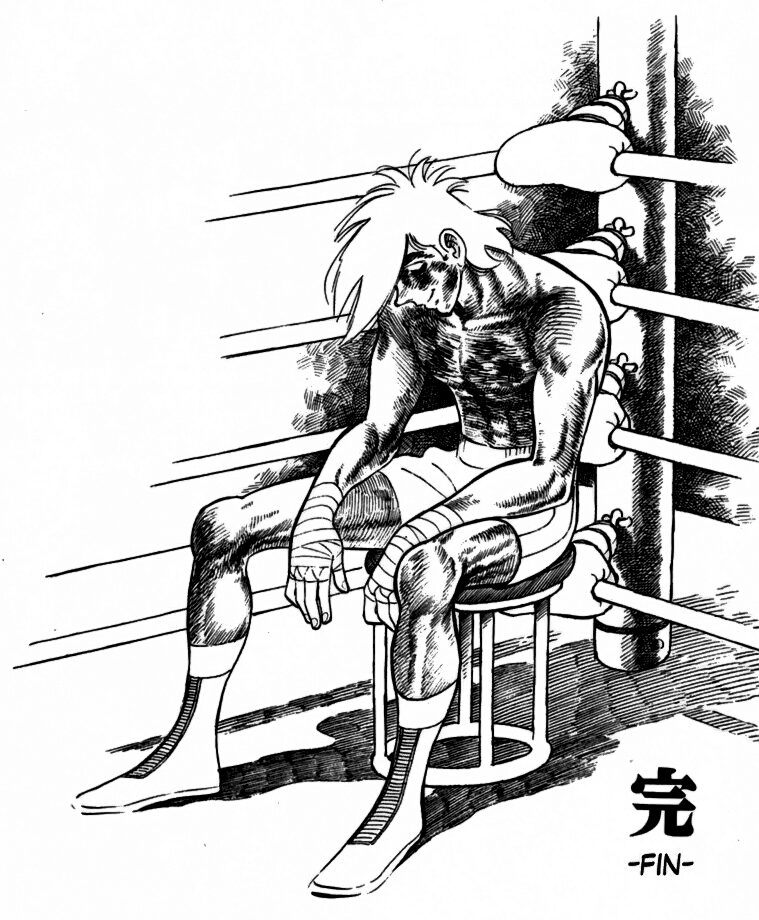
Earlier in this post, I showed a panel from the boxing manga, Ashita no Joe. Spoiler warning for a 50 year old manga.
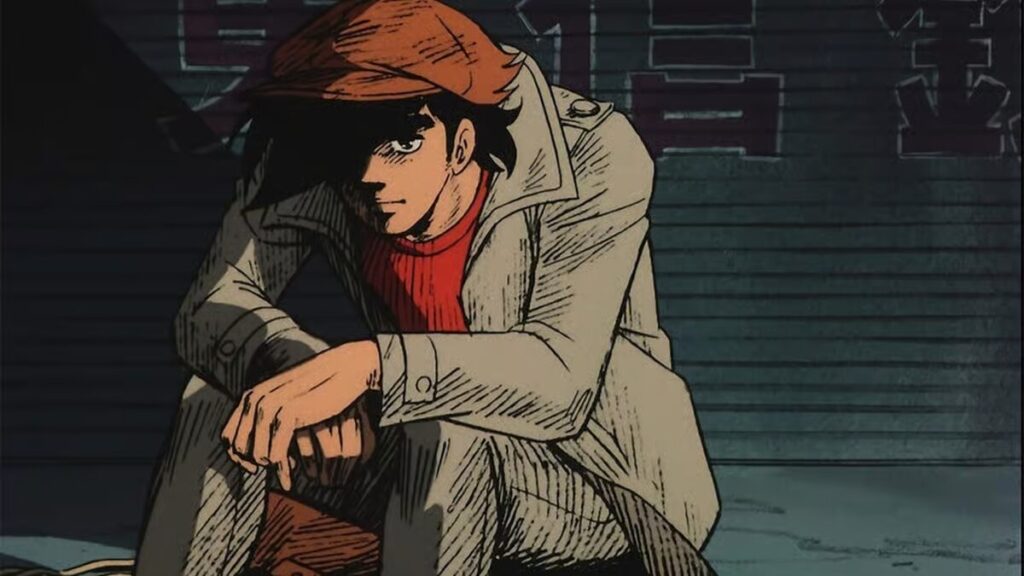
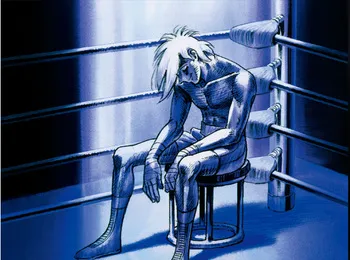
The end of Ashita no Joe is somewhat ambiguous. The titular Joe has shown a complete disregard for the onset of what was, at the time, called “Punch Drunk Syndrome.” We now call it Chronic Traumatic Encephalopathy. He’d likely already suffered permanent brain damage, and further fighting would only hasten his decline. Despite the pleading of his loved ones, Joe gets back into the ring. He doesn’t get back out. The manga ends with Joe sitting slumped in a stool. It is heavily implied that he has died from his injuries.
Some argue that Joe survived. That he’s merely exhausted after winning the round. Some argue that Joe died, but that he was at peace. He died having given it his all every time. Some argue that Joe failed to overcome his trauma and died because he didn’t know how to live (I’m in this camp).
I’ve been accused of enjoying misery and horror, with the joking (I think) implication that I must be some kind of masochist (or sadist if you’re my co-host). At worst, I think I’m guilty of being a pessimist. Horror and misery ring true to me. I can believe them. I can relate to them. I love Ashita no Joe not because it’s miserable, but because it’s honest. It starts out much like any other shonen manga, though it is a sports manga not a battler. Still, Joe learns the techniques of boxing in a similar way to how Naruto learns the Kage Bunshin no Jutsu.
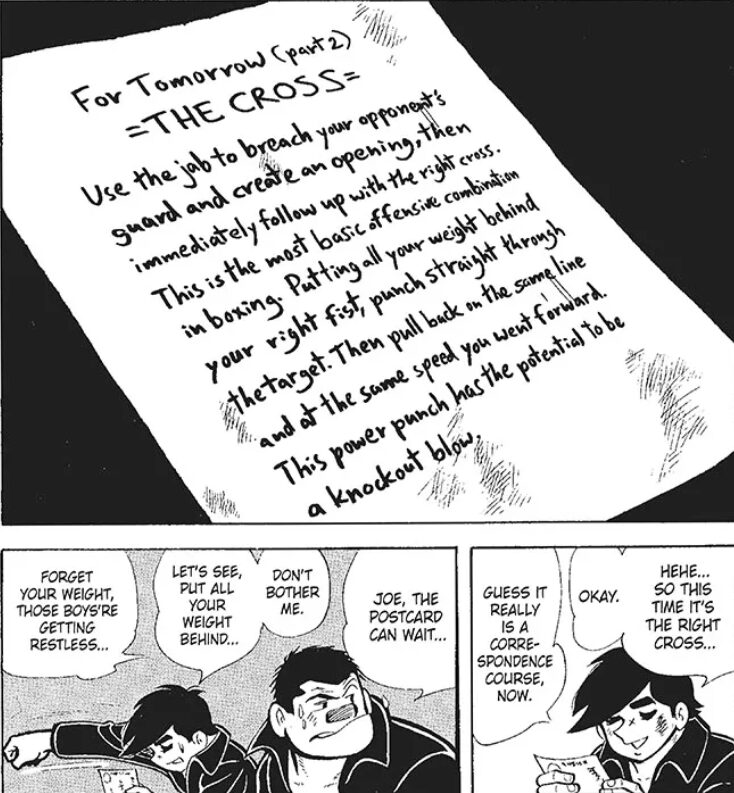
Like Naruto, Joe is an outcast who finds acceptance through his ability to fight. Not being especially skilled at first, his resilience is his greatest asset. He fights more skilled opponents, but manages, through his sheer force of will, to persevere and rise to new heights. Until he can’t anymore. We don’t get a sequel series staring the son of Joe Yabuki where all of the side characters have conveniently paired off and produced spawn of their own. We get this:
Ashita no Joe is a classic work from the Gekiga movement. Gekiga was an angsty response to the more kid-friendly manga that gained popularity in the aftermath of World War II. The artists of the Gekiga movement were raised on manga, but thought it needed to go further. Existing manga didn’t resonate with their experience. It didn’t reflect the actual complexities of the world.
Shonen Battlers are excellent for motivating kids to do their best and work hard, but stay there too long and you risk internalizing a falsehood: that hard work and willpower can overcome any challenge. I don’t know about you, dear reader, but even typing words implying that hard work and willpower aren’t enough to get you through anything feels like some kind of secular blasphemy to me. That’s how much I’ve internalized this.
Whether we want to acknowledge it or not, we all have limits. My precious Goku and Vegeta reached a point of limit-breaking ridiculousness where they had to become literal Gods, and then to break those limits, they had become the incarnations of the concepts of Instinct and Ego. They entered into a pattern of growth for growth’s sake, which as all my anti-capitalist friends will tell you, is the philosophy of a cancer cell.
In the real world, there are limits. There are real limits, which you cannot surpass, and imagined limits, which you can surpass. Learning to distinguish between the two is as important (maybe more important) as learning perseverance and hard work. Shonen Battlers, if they acknowledge this fact at all, tend to celebrate those who die or cripple themselves in the pursuit of limit breaking. As I’ve gotten older, this has seemed less hype and more like a celebration of karoshi culture.
It’s not pessimistic to accept the reality that life is not a journey from strength to strength. The reality that all shonen and shojo know, but do not yet fully understand, is that we do weaken as we age. If you view life as a series of battles, then you’re doomed to be defeated. The reality that endless growth is not achievable does not need to be depressing. Growth and Decay are two sides of the same coin. One does not exist without the other. If I’ve moved on to liking slower stories about older characters struggling with problems that they cannot solve, well, it’s because I’ve come to appreciate both sides of the coin.
I’m not trying to convince people to stop reading shonen manga. If you enjoy these stories, even as an adult, I encourage you to read them. I am also encouraging you to “go beyond” them, though. If you’re an adult reading this, by all means keep reading shonen, but also read some stories aimed at your age demographic. You may find something that affects you as profoundly as that first shonen battler you encountered did when you were 14.


1 Response